AixSTRAWdinary
Cereal straw is one of the most underutilized biomass sources in Germany. Let's change that!

By using a bio-based feedstock instead of naphtha, we obtain a net-negative carbon footprint.

Extensive byproduct valorization enables a competitive selling price compared to other sustainable butadiene production processes.

Process Design & Economic Analysis
Process Research & Simulation

Sensitivity Analysis & Environmental Assessment

Feedstock Research & Optimisation
Process Design & Heat integration
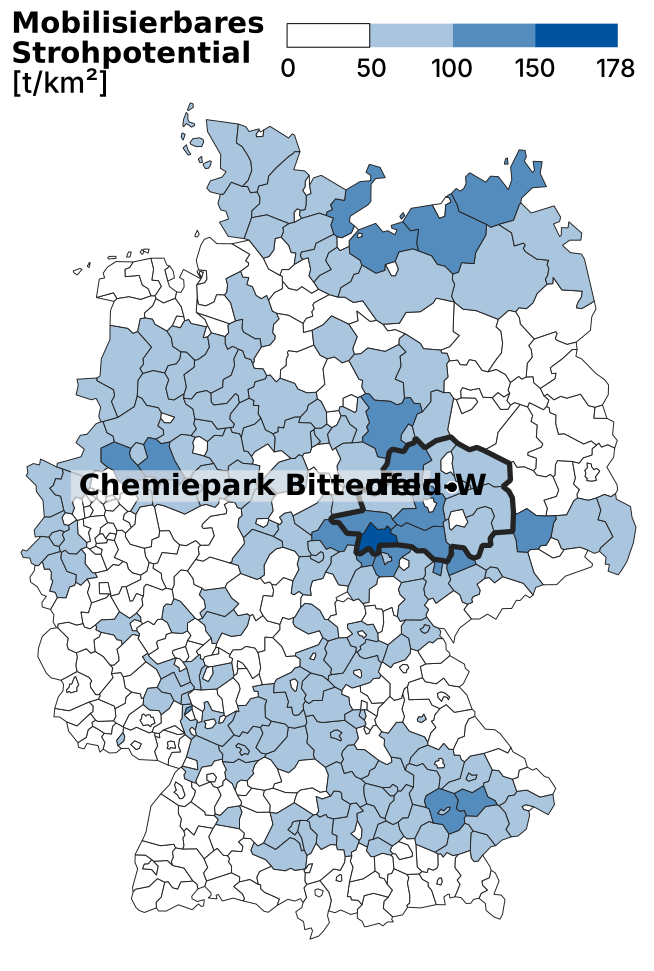
Cereal straw is one of the most underutilized biomass sources in Germany. Despite its local availability of 1.4 million tonnes per year, it is mostly unused. We fix this by converting the unused cereal straw to chemicals and green energy, providing local farmers with a secondary sorce of income and promoting a strong straw economy in the process.
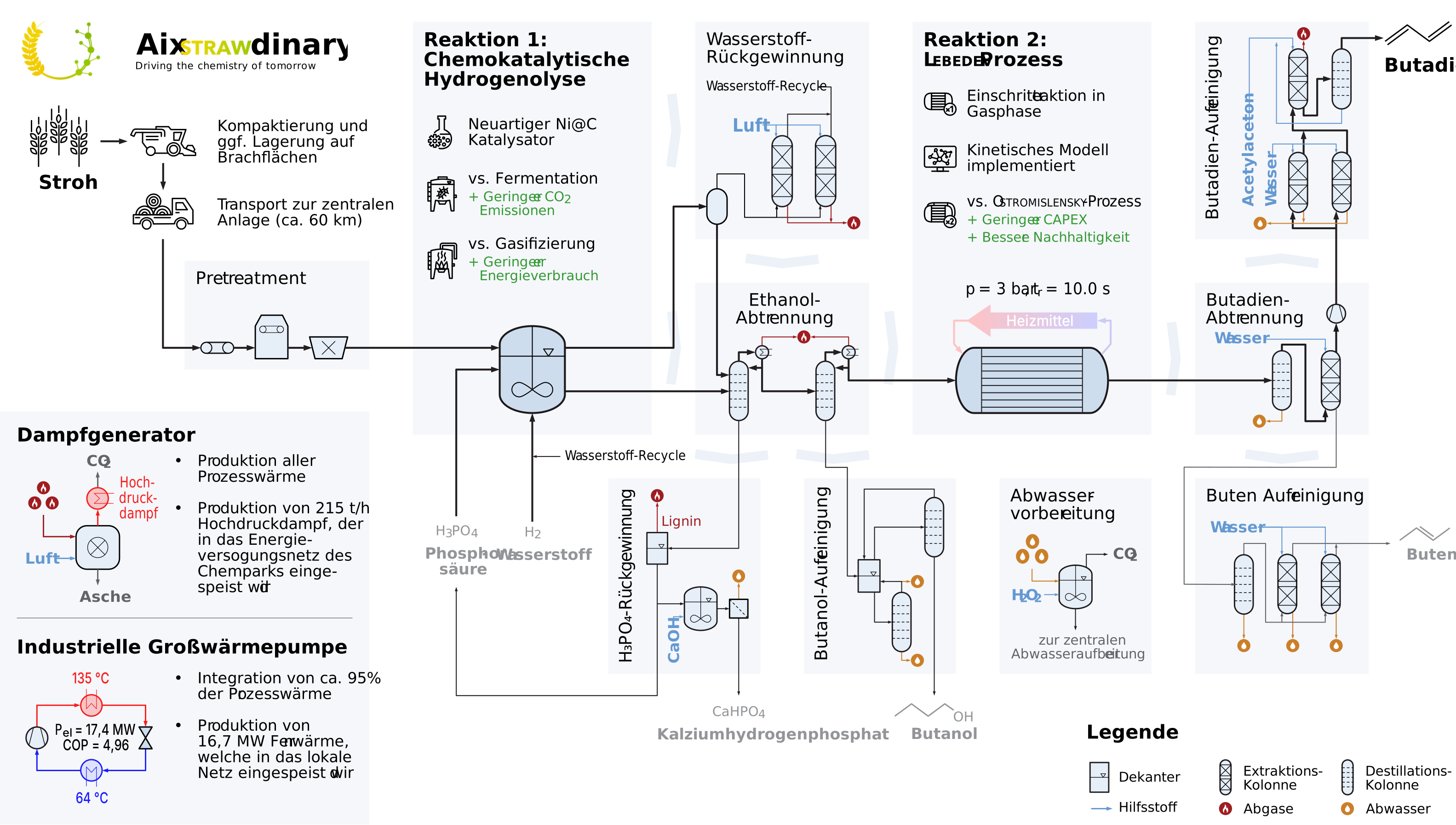
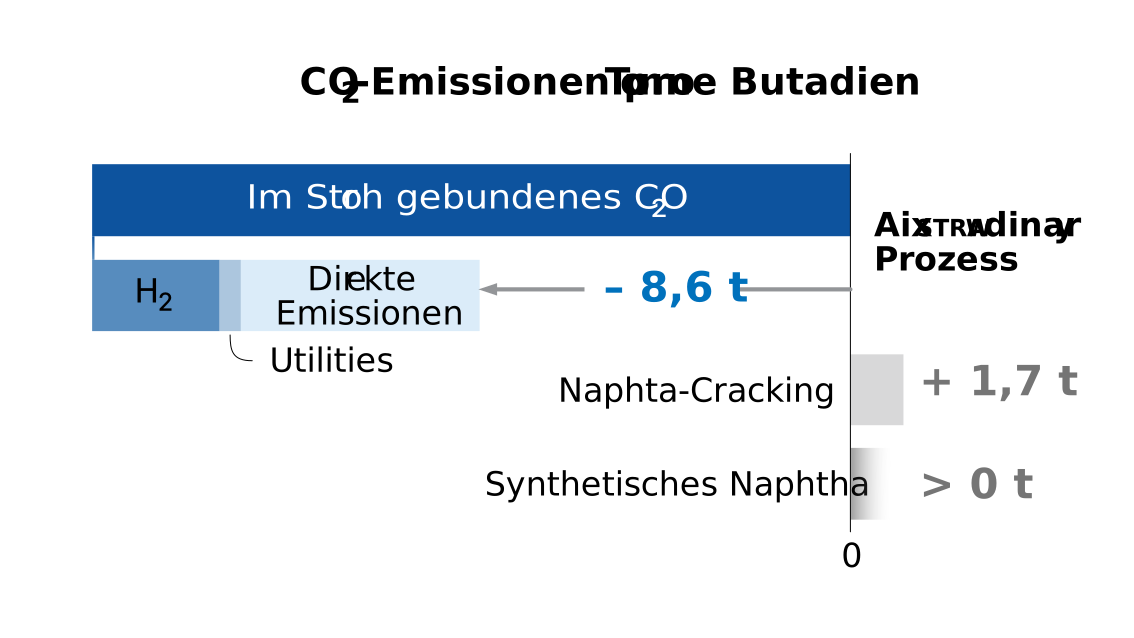
The production of platform chemicals accounts for two-thirds of the global chemical industry emissions. By incorporating unused biomass residues and tight heat integration, the Aixstrawdinary process achieves a net negative carbon footprint of –8.7 tons of carbon dioxide equivalent per ton of butadiene produced.
Through tight heat integration and enhanced byproduct valorization, the Aixstrawdinary process reaches a minimum selling price of 1.56 euro per kg of butadiene. Thanks to its competitive pricing, our process is able to undercut the selling price of other bio-based butadiene processes. Overall, the Aixstrawdinary process presents a strong profitability potential.
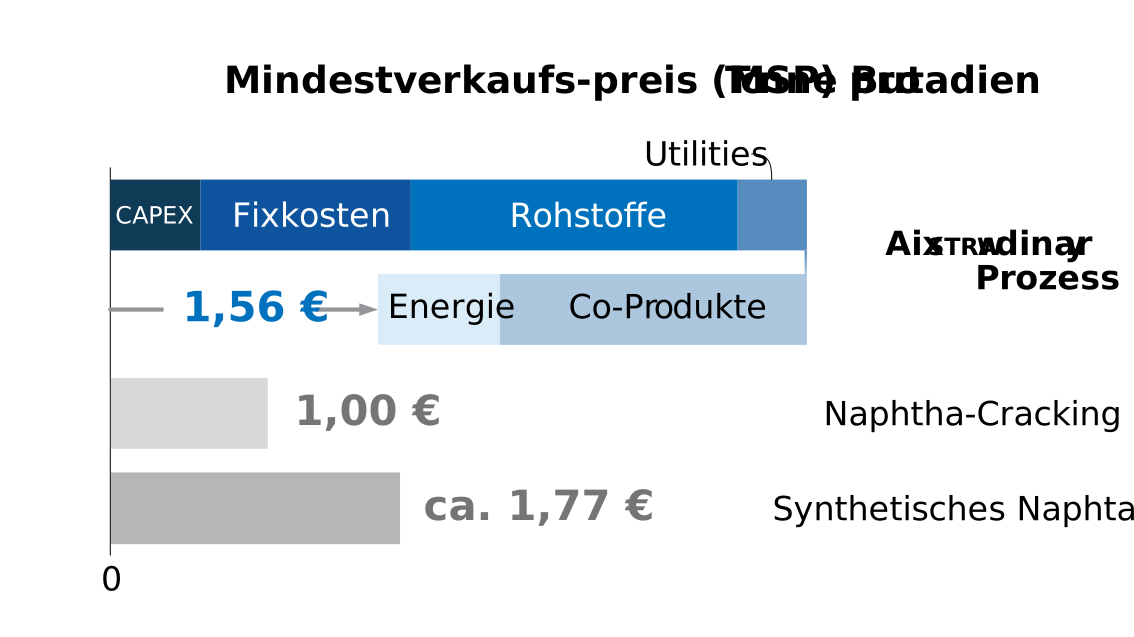
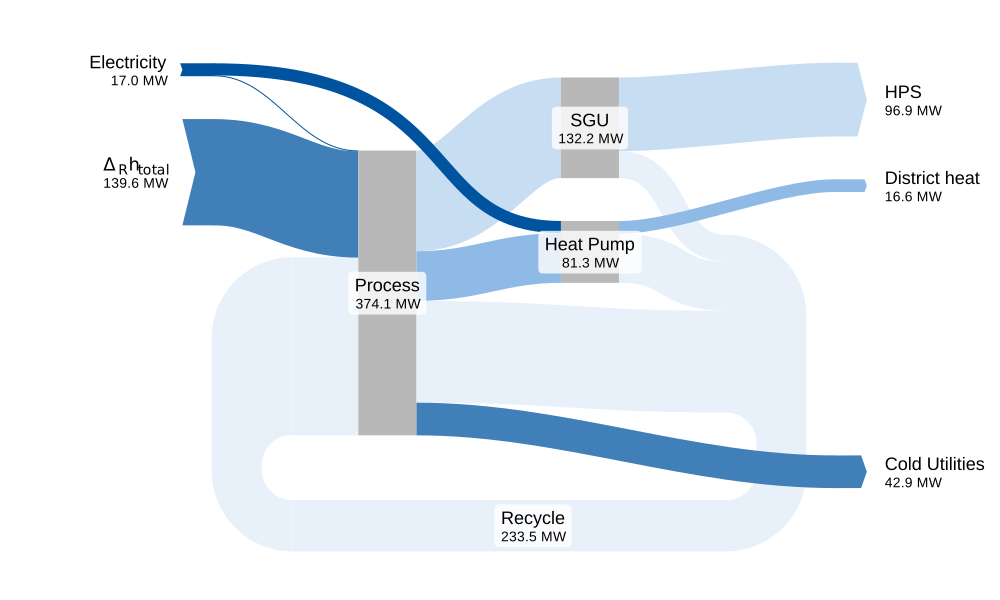
Our process produces not only butadiene, a valuable platform chemical, but also butene, butanol, and dicalcium phosphate. In addition, high pressure steam for neighboring plants and district heat for nearby communities are generated. This maximizes energy efficiency while providing green utilities and ensuring economic viability.